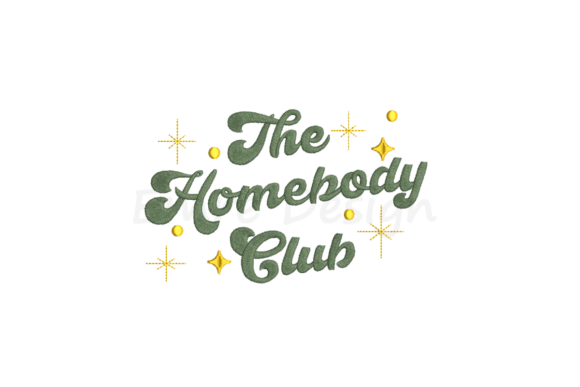
The Homebody Club Embroidery Design Review
As an experienced embroidery designer preparing for the upcoming weekend craft fair, I spend my evenings evaluating which machine embroidery design files will translate best into sellable inventory. Today, I am putting The Homebody Club Embroidery Design under the microscope. This piece falls squarely into the Inspirational category, promising a whimsical touch to spruce up fabrics. But does it actually work on a busy market table? Let's dive into the practicalities of turning this digital file into a profitable handmade product.
First Impressions: Whimsy Meets Market Appeal
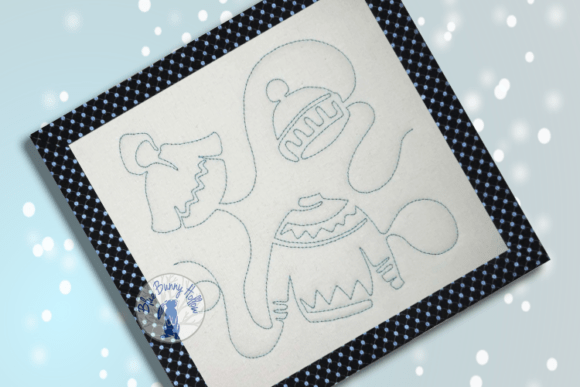
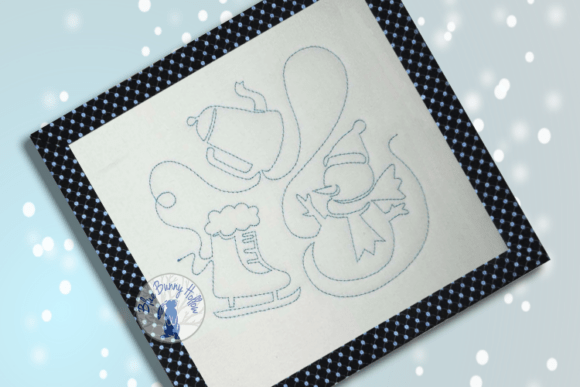
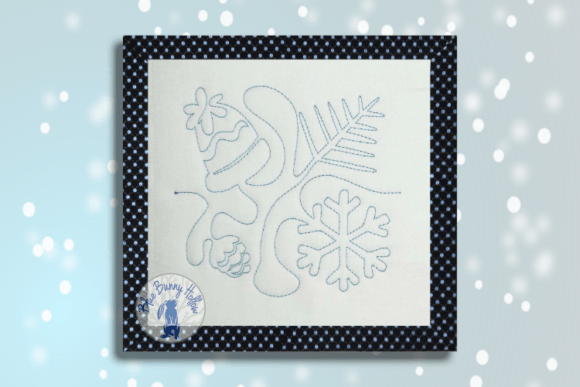
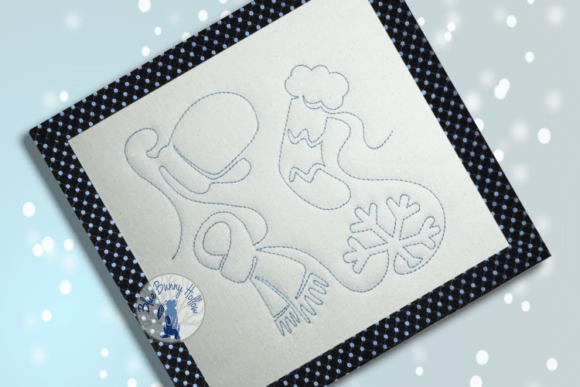
When I first loaded The Homebody Club Embroidery Design onto my hoop, the vibe was immediately clear. It feels charming and slightly rustic, perfectly aligning with the current trend of cozy, farmhouse-style aesthetics. The description promises a "fun and whimsical touch," and visually, the design delivers on that promise without feeling cluttered. For a craft fair product, this is crucial. Shoppers walk past dozens of booths; they need something that stops them in their tracks within seconds. This design offers a friendly, inviting feel that suggests comfort and personality, making it an excellent candidate for a small shop product line.
The layout is balanced, avoiding the trap of being too minimal or overly dense. It has enough visual weight to stand out on a shelf but remains delicate enough to feel like a genuine handmade item rather than mass-produced merchandise. If you are an Etsy seller looking to expand your catalog with items that evoke emotion, this embroidery file hits the right emotional notes.
Product Versatility: Where Does It Shine?
The real test of any digital embroidery file is its versatility across different substrates. Based on the description's mention of t-shirts, towels, and home decor, I tested The Homebody Club Embroidery Design on several key items for my booth display.
- Tote Bags: This is where the design truly excels. On a sturdy canvas tote bag design, the text and imagery pop beautifully. It transforms a generic utility bag into a statement piece that says, "I love staying in." These are high-margin items that move quickly at markets.
- Kitchen Textiles: I applied the design to linen tea towels and cotton aprons. The result is a lovely apron embroidery and tea towel embroidery setup. The texture of the fabric adds depth to the stitches, giving the finished product a premium, artisanal look.
- Wearable Accessories: While tricky, the design works well as an embroidered patch sewn onto denim jackets or caps. However, care must be taken with curved surfaces like baseball caps, as the lettering can distort if not positioned correctly.
- Home Decor: Small fabric pouches and pillow covers also benefit from this design. It adds a focal point to otherwise plain textiles, increasing the perceived value of the finished product.
Production Realities: Stitch Density and Fabric Texture
While the aesthetic appeal is high, a professional review requires looking at the technical execution. One of the first things I noticed about The Homebody Club Embroidery Design is the stitch density. In areas where the design elements cluster, there is a risk of puckering on lighter fabrics like thin cotton or rayon. To combat this, using a heavy-duty stabilizer is non-negotiable. Without it, the fabric texture may bunch up, ruining the clean lines of the design.
Another critical factor is thread contrast. Because the design leans towards a soft, whimsical style, using thread colors that blend too closely with the background fabric can make the details invisible from a distance. At a craft fair, customers often scan products from three feet away. Ensure your thread colors offer enough contrast to read the message clearly. If you are working with dark fabrics, consider using variegated threads or metallic accents to make the design sparkle under booth lighting.
Regarding size, this design performs best as a medium-to-large focal point. Shrinking it down too much risks losing the charm of the lettering and the intricate details. Tiny details can get lost in the weave of textured towels or thick canvas. Always check the hoop size requirements before committing to a batch production run. If the design is meant for a 5x7 hoop but you try to fit it into a 4x4, you might compromise the integrity of the stitching.
Selling Strategy: From Booth Display to Online Listings
For commercial embroidery success, how the product looks in person and online matters just as much as the stitching itself. The Homebody Club Embroidery Design photographs exceptionally well. The whimsical nature of the text makes it perfect for lifestyle shots—imagine a photo of a cozy reading nook with an embroidered pillow or a flat lay of a tote bag next to a cup of coffee. These images drive sales on platforms like Etsy.
When setting up your booth, group these items together to create a cohesive collection. A stack of matching tea towels, a few tote bags, and some decorative patches create a strong visual impact. This consistency helps build brand recognition. Customers who buy one item are more likely to purchase another if the entire display feels curated and intentional.
For those creating printable mockups to sell the design digitally, ensure the renderings show the design on various textures. Buyers want to see how the embroidery file translates to real life. Show it on a rough burlap sack, a smooth satin pillow, and a structured denim jacket. This variety demonstrates the flexibility of the design assets and encourages potential buyers to envision their own projects.
Essential Designer Notes for Success
Before you rush to produce hundreds of units, follow these practical steps to ensure quality control:
- Test on Scrap Fabric: Never skip this step. Run The Homebody Club Embroidery Design on a scrap piece of the exact fabric you plan to use. Check for puckering, thread breaks, and alignment issues.
- Verify Licensing: As a maker, always confirm your commercial embroidery rights. Ensure you have permission to sell finished goods made with this specific file. If you are selling the embroidery file itself, double-check the terms of use regarding redistribution.
- Inspect Spacing: Pay attention to the spacing between letters and design elements. Tight spacing can cause threads to snag during the stitching process or when the customer washes the item.
- Create Real Mockups: Don't rely solely on digital previews. Create at least one physical sample to photograph. Real photos build trust with buyers far better than computer-generated images.
- Compare Fabric Colors: Test the design on light, medium, and dark fabrics. Some colors may require underlays or different thread weights to maintain clarity.
Final Verdict: A Strong Contender for Handmade Markets
The Homebody Club Embroidery Design is a solid addition to any crafter's toolkit. It balances style and functionality, offering a versatile option for small shop product lines. Its ability to elevate simple items like tote bags and towels into desirable gifts makes it a smart choice for maximizing profit margins at craft fairs. However, success depends on proper execution. By paying attention to stitch density, choosing the right stabilizers, and ensuring high-contrast thread selection, you can turn this digital file into a standout feature of your booth.
Whether you are a seasoned Etsy seller or a new entrepreneur entering the handmade market, this design offers the charm and quality needed to engage buyers. Just remember to test thoroughly, respect the licensing terms, and let the whimsical nature of the design speak for itself through high-quality craftsmanship. With the right approach, The Homebody Club Embroidery Design could very well become your best-seller of the season.