E2e Snowing Quilting Embroidery Design Review
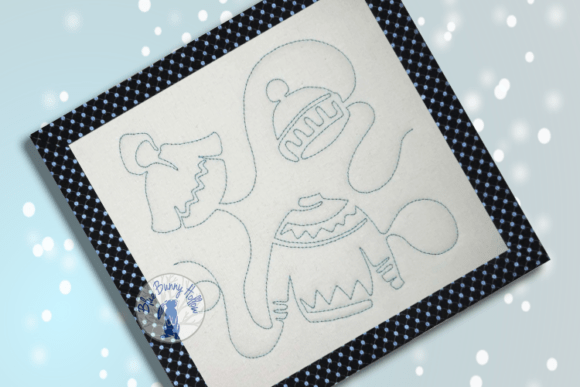
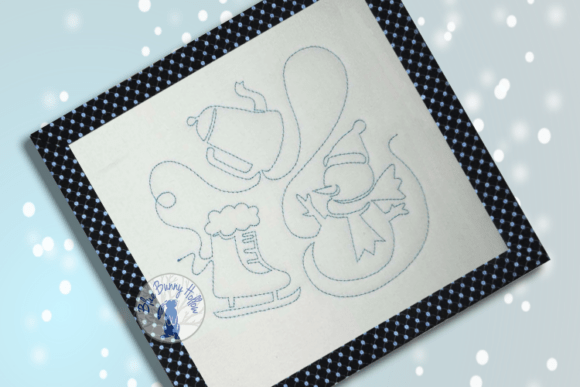
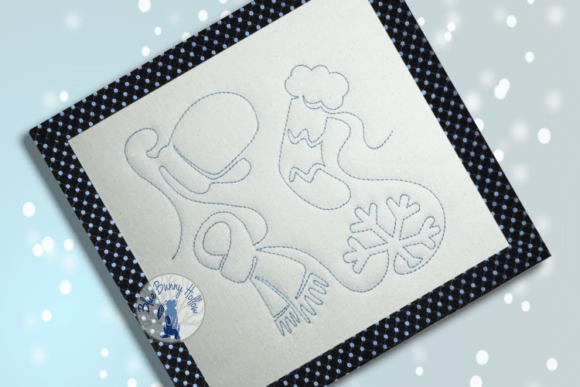
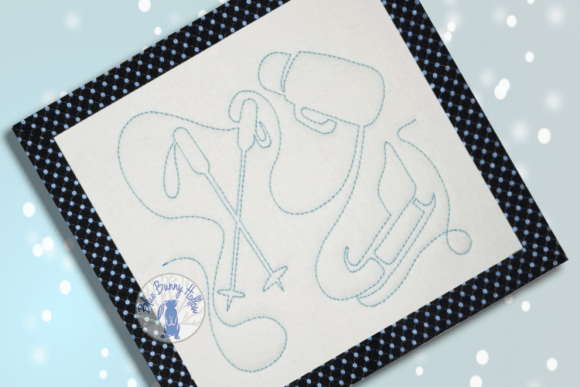
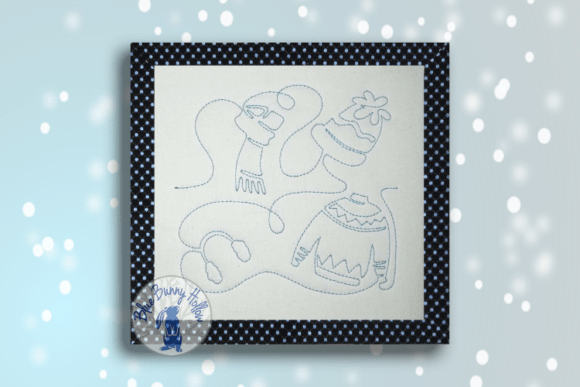
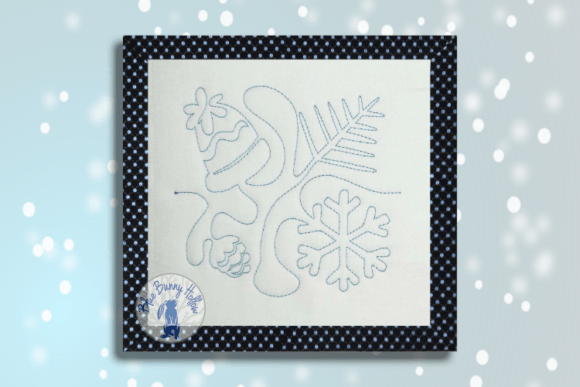
As a professional embroidery designer who has spent years curating machine embroidery design libraries for small businesses, I approach every new file with a critical eye. We are not just looking for pretty patterns; we are looking for assets that translate into profitable merchandise, durable uniforms, and recognizable brand identities. Today, I am reviewing the E2e Snowing Quilting Embroidery Design. This is described as a wintery E2E quilting design featuring a snowflake, hat, and acorn, creating a gentle continuous pattern intended to add natural winter charm and subtle movement to quilts, runners, and seasonal stitching projects.
First Impressions: Aesthetic and Brand Personality
When I first load this embroidery file into my digitizing software, the visual personality is immediately apparent. The combination of a snowflake, a cozy hat, and an acorn suggests a rustic, nature-inspired, and wholesome vibe. It feels less like a corporate logo and more like a signature element for a handmade brand or a boutique café. For small business owners targeting customers who value craftsmanship and seasonal warmth, this design hits the right emotional note. It exudes a friendly, elegant, yet playful character that works exceptionally well for brands wanting to appear approachable and grounded in tradition.
However, because it is categorized under Sewing and designed as a continuous quilting pattern, I must evaluate if it can stand alone as a focal point for branded merchandise. The "gentle continuous pattern" description implies flow and repetition, which is fantastic for borders but requires careful consideration when used as a singular patch or logo accent. The inclusion of an acorn alongside winter elements creates a unique juxtaposition of autumn and winter, making it versatile for late-year holiday collections or early spring transitions.
Real-World Business Applications
The true test of any digital embroidery file is its performance on commercial products. Here is how I envision utilizing the E2e Snowing Quilting Embroidery Design across various business verticals:
- Staff Uniforms and Aprons: For a local bakery or florist, this design could serve as a charming sleeve detail or a back-of-apron motif. Placing a continuous strip of this pattern along the hem of a chef's apron adds a touch of seasonal flair without overwhelming the garment. It elevates the perceived professionalism of the staff while maintaining a cozy, welcoming atmosphere.
- Embroidered Patches: If segmented correctly, individual motifs from the pattern—such as the snowflake-hat-acorn cluster—can be isolated to create high-quality embroidered patches. These patches are perfect for denim jackets sold at a boutique, tote bags for farmers markets, or even as exclusive rewards for loyal customers during a winter loyalty program.
- Cap Embroidery: While continuous patterns can be tricky on curved surfaces, a single repeat of the design could work beautifully on the side panel of a cap or as a decorative band around the brim. This turns a standard promotional item into a collectible piece of small business merch.
- Tote Bag Design: A full-width run of this pattern across the bottom third of a canvas tote bag creates a stunning visual anchor. It transforms a generic shopping bag into a branded accessory that customers will want to carry proudly, increasing your brand visibility in public spaces.
- Product Packaging Accents: For handmade soap makers or candle artisans, a small version of this design stitched onto fabric tags or ribbon wraps adds a premium, tactile quality that printed labels simply cannot achieve.
Strategic Considerations for Commercial Use
While the aesthetic appeal is strong, there are specific scenarios where the E2e Snowing Quilting Embroidery Design requires caution. As a designer, I always advise clients to consider the limitations of complex patterns before mass production.
Size and Detail Constraints
This design features distinct elements like an acorn and a snowflake. If you attempt to shrink this pattern too much for a tiny chest logo or a small buttonhole patch, the details may become indistinguishable. The delicate lines of the snowflake and the texture of the acorn rely on adequate space to breathe. On very small patch sizes, the design risks losing its definition, leading to a muddy appearance that hurts your brand identity. Always ensure the minimum size allows for the crisp rendering of these key motifs.
Fabric Texture and Stabilization
The description mentions use on quilts and runners, which are typically stable, flat fabrics. However, if you plan to apply this to textured fabrics like fleece, heavy denim, or stretchy knit uniforms, you must account for the fabric's surface. High stitch density in a continuous pattern can cause puckering on thin materials or sit too heavily on thick ones. Using the proper stabilizer is non-negotiable here. For custom apparel made from performance fabrics, test the design on a scrap piece first to ensure the thread colors pop against the background and the backing holds up during frequent washing.
Color Contrast and Visibility
Winter themes often lean towards whites, silvers, and blues. If your business uses dark uniforms, such as navy blue or black, you must carefully select your thread colors. A white snowflake on a dark background is classic, but the acorn and hat need sufficient contrast to remain visible. Low contrast can make the design look unfinished, reducing customer trust in the quality of your finished product.
Impact on Brand Identity and Customer Engagement
Using a thoughtful design like E2e Snowing Quilting Embroidery Design does more than decorate; it communicates values. For a handmade brand, this level of detail signals care, attention to quality, and a connection to nature and the seasons. It differentiates your product designers and crafters from competitors using generic clip-art logos.
When customers see a consistent visual language across your design assets—from your website mockups to the actual finished product—it builds recognition. A well-executed embroidery project enhances the perceived value of the item. A tote bag with a professionally stitched winter motif feels worth $25, whereas a screen-printed version might feel like a $10 giveaway. This increase in perceived value directly impacts your profit margins and buyer engagement.
Practical Designer Notes for Implementation
Before you commit to a large production run of commercial embroidery, follow these steps to ensure success with this specific file:
- Test in Black and White First: Run a sample stitch-out in a single color to check the spacing and flow of the continuous pattern. This helps you identify any potential jump stitches or registration issues before spending money on multiple spools of thread.
- Verify Hoop Size: Since this is a continuous pattern, confirm that your machine's hoop size accommodates the desired length of the repeat without needing excessive re-hooping, which can lead to misalignment.
- Check Licensing: Always confirm the commercial licensing terms of the embroidery file before selling items. Ensure you have the right to use this design for unlimited merchandise sales.
- Create a Printable Mockup: Generate a high-resolution printable mockup showing the design on your specific products (caps, aprons, bags) for client approval or internal planning. This visual aid helps stakeholders understand the scale and placement.
- Compare with Other Assets: Place the design next to your existing logo and other brand elements. Does the style of the acorn and snowflake complement your typography? Consistency is key to a cohesive brand image.
In conclusion, the E2e Snowing Quilting Embroidery Design is a versatile asset for small businesses looking to inject seasonal charm into their merchandise. With careful attention to sizing, fabric choice, and color selection, it can transform simple items into premium, branded experiences that resonate with customers. Whether for a boutique shop, a creative studio, or a local café, this design offers a warm, professional touch that stands out in the crowded marketplace of handmade goods.