Folk Chicken Floral Embroidery Art Review
As a professional embroidery designer who has spent years translating digital files into tangible brand assets, I approach every new machine embroidery design with a critical eye. The market is flooded with generic patterns, but finding a piece that balances artistic charm with commercial viability is rare. Today, I am reviewing the Folk Chicken Floral Embroidery Art, a design categorized under Single Flowers and Embroidery. My goal is to determine if this specific artwork can elevate your small business merch, serve as a cohesive branded patch, or enhance your custom apparel line.
First Impressions: Rustic Charm Meets Professional Polish
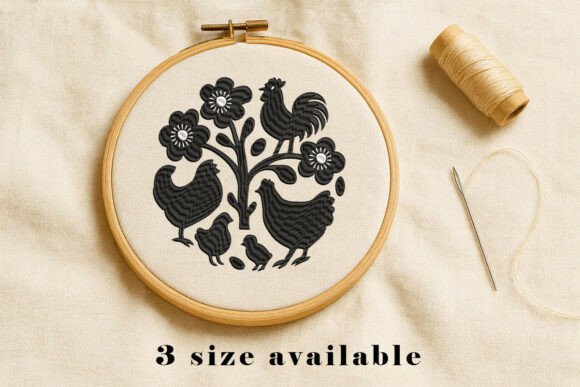
Upon opening the digital embroidery file, the first thing that strikes me is the distinct personality of the design. It does not feel like a sterile corporate logo; instead, it radiates warmth and approachability. The fusion of a folk-style chicken with floral elements creates a visual narrative that feels both handmade and premium. For businesses in the bakery, florist, boutique, or local café sectors, this aesthetic is gold. It signals to customers that your brand values tradition, nature, and quality craftsmanship.
The color palette described as "colorful stitch artwork" suggests high visibility and vibrancy. In the world of branding, this is crucial for catching the eye on a crowded shelf or social media feed. However, as a designer, I immediately assess whether this vibrancy translates well to thread. The interplay between the organic shapes of the flowers and the structured form of the chicken indicates a design that is playful yet grounded. This makes it an excellent candidate for seasonal promotions, specifically adding warmth to Christmas, Easter, Mother’s Day, and birthday collections, as noted in its description.
Evaluating Performance in Real Business Scenarios
The true test of any embroidery file is how it performs when applied to actual merchandise. Let's break down where Folk Chicken Floral Embroidery Art shines in a commercial setting.
Ideal Applications for Small Business Merch
This design is exceptionally versatile for creating small business merch that tells a story. Here are the top use cases I recommend:
- Branded Patches: The enclosed nature of the folk art style makes it perfect for creating woven or embroidered patches. These can be sewn onto denim jackets, canvas tote bags, or even attached to backpacks for a rugged, artisanal look.
- Apron Embroidery: For bakeries and coffee shops, placing this design on the chest pocket or back of an apron adds a delightful touch to staff uniforms. It reinforces the "farm-to-table" or "home-baked" vibe without being overwhelming.
- Tote Bag Design: Tote bags are a staple for eco-conscious brands. A large-scale version of this artwork on a cotton tote serves as a walking billboard for your shop, especially during spring and summer seasons.
- Cap Embroidery: While caps require careful sizing, the central motif of the chicken works beautifully as a front-panel design for baseball caps or bucket hats, offering a unique alternative to standard text logos.
- Product Packaging Accents: Imagine this stitched onto fabric gift bags or as a label on linen produce sacks. It elevates the unboxing experience and justifies a higher price point for your goods.
Strategic Considerations and Potential Pitfalls
While the Folk Chicken Floral Embroidery Art is visually stunning, applying it requires technical precision. As you integrate this into your workflow, there are specific areas where caution is necessary to ensure the finished product meets professional standards.
Size and Detail Constraints
One of the most common mistakes in commercial embroidery is scaling a complex design too small. The intricate details of the floral elements and the texture of the chicken feathers rely on sufficient space to render correctly. If you attempt to use this as a tiny sleeve detail or a small cap logo without adjusting the stitch count, you risk losing definition. The threads may bunch up, leading to a muddy appearance rather than a crisp image. Always verify the minimum recommended size before committing to production.
Fabric Texture and Stabilizer Needs
The success of this design heavily depends on the substrate. On smooth fabrics like poplin or twill, the colors will pop, and the lines will remain sharp. However, on highly textured fabrics like heavy fleece, knit hoodies, or coarse canvas, the needle may struggle to penetrate evenly, potentially distorting the shape of the chicken or flowers. To mitigate this, I strongly advise using a high-quality stabilizer. A cut-away stabilizer is often best for stretchy knits to prevent puckering, while a tear-away might suffice for stiff cottons. Testing on a scrap piece of the actual fabric is non-negotiable.
Thread Density and Washing Durability
Because this is a colorful design with multiple elements, the stitch density could be high in certain areas. High density can make the embroidery stiff, which might be uncomfortable on collars or cuffs. Furthermore, items that undergo frequent washing, such as staff uniforms, need durable stitching. Ensure that the thread colors used are colorfast and that the backing is secure enough to withstand industrial laundering without fraying.
Impact on Brand Identity and Customer Trust
Incorporating Folk Chicken Floral Embroidery Art into your product line does more than just add decoration; it strengthens your brand identity. In an era of mass-produced goods, a well-executed embroidery project signals attention to detail and quality. When a customer holds a tote bag or wears a hoodie with this intricate design, they perceive value. They see a brand that cares about aesthetics and craftsmanship.
This visual consistency across different items—whether it's a pillow, a mug (via printed mockups), or a shirt—builds recognition. Over time, that friendly folk chicken becomes synonymous with your business. It fosters an emotional connection, making your brand feel like a neighbor rather than a corporation. For Etsy sellers and handmade brands, this kind of distinctive asset is vital for standing out in search results and attracting loyal repeat customers.
Practical Designer Notes for Implementation
Before you purchase the digital embroidery file or start your production run, follow these practical steps to ensure a flawless outcome:
- Test in Black and White: Before loading the full color scheme, run a test in a single dark thread. This allows you to check the flow of the design, the spacing between elements, and the structural integrity of the stitches without the distraction of color changes.
- Verify Hoop Size: Confirm that the design fits within your machine's hoop dimensions. If it requires a larger hoop than you own, you may need to split the design or adjust your equipment.
- Check Licensing: Ensure you have the appropriate commercial embroidery license. Many designs are sold for personal use only. You must confirm that the terms allow for use on products you intend to sell, such as branded patches or apparel.
- Create a Printable Mockup: Before producing physical inventory, generate a high-resolution printable mockup showing the design on your specific products. Present this to clients or stakeholders for approval to avoid costly rework.
- Inspect Spacing and Contrast: Pay close attention to the negative space between the chicken and the flowers. If the colors are too similar, the design may lose its impact. Adjust the thread colors to ensure high contrast against the background fabric.
- Compare with Other Assets: Place the design next to your existing logos and other design assets. Does it clash with your current brand palette? Or does it complement it? Visual harmony is key to a professional collection.
Final Verdict for Merch Creators
The Folk Chicken Floral Embroidery Art is a robust and charming addition to any creative studio's library. It bridges the gap between rustic appeal and modern branding needs. Whether you are outfitting a team of baristas, launching a line of holiday gifts, or creating unique labels for your handmade soaps, this design offers versatility and character.
However, remember that the quality of the final result lies in the execution. Respect the limitations of stitch density, choose the right fabric and stabilizer, and always test before you scale. When done correctly, this artwork will not just decorate your products; it will define them, turning simple items into cherished keepsakes that your customers will proudly display. For those looking to infuse their brand with a sense of home and heart, this is a design worth investing in.