Bee Kind Embroidery Design Review
As a designer who has spent years curating machine embroidery design libraries for both personal projects and client work, I approach every new file with a critical eye. The market is flooded with generic assets, so finding a piece that balances simplicity with character is a genuine relief. When I first opened the Bee Kind Embroidery Design, I was immediately struck by its minimalist aesthetic. It falls squarely into the Bugs category, yet it transcends typical insect motifs by focusing on a gentle message of positivity. The line-art style suggests a modern, clean look that feels right at home in today's craft landscape.
First Impressions: Mood and Visual Personality
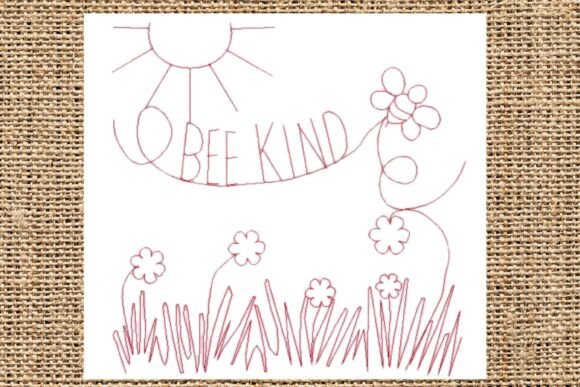
The initial visual impact of this design is defined by its restraint. Unlike dense floral arrangements or complex cartoon characters, this piece relies on the interplay between the text "BEE KIND" and the surrounding elements. A friendly bee floats among wildflowers beneath a radiant sun motif, creating a composition that feels airy and optimistic. For an embroidery project intended to spread kindness, the lack of heavy fill stitches is a strategic advantage. It allows the texture of the fabric to breathe through the design, which is crucial for high-end handmade goods.
I found myself wondering how this would translate from a digital preview to a physical thread application. Line art can be tricky; if the lines are too thin, they might disappear on textured fabrics. However, the layout here appears robust enough to maintain clarity without becoming a tangled mess of thread. The simplicity suggests it is designed for versatility, making it an excellent candidate for a wide range of custom apparel and home decor items.
Real-World Application: From Concept to Finished Product
To truly evaluate the Bee Kind Embroidery Design, I imagined a specific scenario: preparing a collection of organic cotton tote bags for a local boutique. Tote bags are a staple for Etsy sellers and small shop owners because they offer a large canvas for branding and gifting. In this context, the design shines. Placing the bee and wildflowers near the bottom corner of a natural-colored tote creates a charming, understated look that appeals to eco-conscious consumers.
Consider the stitch density required for such a project. Because the design is line-based, it likely utilizes running stitch or narrow satin stitch techniques rather than heavy fill. This means less tension on the fabric, which is vital when working with lightweight materials like canvas or linen. If I were using this for sweatshirt embroidery, perhaps on a crewneck hoodie for a children's boutique, the lighter weight of the stitching would prevent the garment from feeling stiff or uncomfortable. Parents appreciate softness in kids' clothing, and a design that doesn't compromise the fabric's drape is a significant selling point.
Another compelling use case is personalized gifts. Imagine a baby blanket or a nursery pillow cover featuring this motif. The "Bee Kind" message adds a layer of sentimentality that parents love. It transforms a standard handmade product into a meaningful keepsake. For a holiday gift basket, this design could be embroidered onto a kitchen towel or an apron, offering a cheerful touch that fits perfectly with spring-themed or year-round positivity collections.
Navigating Challenges: Where Caution is Needed
While the design is versatile, experienced decorators know that no single file works perfectly everywhere without adjustment. There are specific scenarios where the Bee Kind Embroidery Design requires careful handling. First, consider small hoop sizes. If you attempt to fit this entire scene into a 4x4 inch hoop, the details of the wildflowers and the lettering might become cramped. It is essential to check the actual dimensions of the digital embroidery file against your machine's capabilities before committing to a project.
Fabric choice is another critical factor. On highly textured fabrics like terry cloth or thick denim, fine line art can sometimes get lost. The threads may sink into the weave, reducing the visibility of the bee and the flowers. In these cases, using a high-quality stabilizer becomes non-negotiable. You might need a cut-away stabilizer for stretchy fabrics to ensure the design retains its shape after washing. Similarly, on dark fabrics, the contrast of light-colored thread is necessary to make the design pop, but be wary of show-through if the fabric is too thin.
Curved surfaces present their own challenges. If you plan to use this for a cap or a hat, the curvature can distort the straight lines of the text and the geometry of the sun. While the design is flexible, testing it on a curved surface mockup or a scrap piece of similar material is wise. Additionally, if you are creating an embroidered patch, ensure the backing is sturdy enough to support the edges of the line art without fraying over time.
Practical Designer Notes for Success
- Test on Scrap Fabric: Never skip the test run. Stitch out the Bee Kind Embroidery Design on a scrap of the exact fabric you intend to use. This reveals issues with thread colors and tension before you ruin a final piece.
- Check Thread Contrast: Since this is a line-art design, contrast is key. Ensure the thread stands out clearly against the background. A subtle beige thread on a cream tote might look elegant but could be invisible to customers browsing online.
- Review Stabilizer Needs: Even with low density, line art needs support. Use a tear-away stabilizer for stable fabrics and a cut-away for knits to prevent puckering.
- Verify Licensing: Before selling finished items as part of your craft business, confirm the licensing terms. Some commercial embroidery licenses allow unlimited sales of finished goods, while others restrict the number of units you can produce.
- Mockup Your Designs: Create printable mockups to visualize how the design looks on different products. Compare light and dark backgrounds to see how the design assets perform in various lighting conditions.
Impact on Brand and Customer Perception
Using a well-executed design like Bee Kind Embroidery Design directly influences the perceived value of your work. Customers buying from a small shop product line expect professionalism. A design that stitches cleanly, without birdnesting or broken threads, signals quality. It builds trust. When a customer receives a finished product where the "BEE KIND" message is crisp and the bee is distinct, they feel the care that went into the creation process.
This design also aids in brand consistency. If your shop focuses on positive, nature-inspired themes, this asset aligns perfectly. It reinforces your brand identity across custom apparel, accessories, and home goods. For digital product sellers offering mockups or templates, having a clean, recognizable design like this helps potential buyers visualize the end result, increasing engagement and conversion rates.
In conclusion, the Bee Kind Embroidery Design is a thoughtful addition to any decorator's library. It offers a blend of simplicity and charm that works well for holiday embroidery, everyday wear, and special occasion gifts. By understanding its strengths and limitations, and by following best practices for testing and stabilization, you can create beautiful, professional pieces that resonate with your audience. Whether you are a hobbyist or a seasoned entrepreneur, this design provides a solid foundation for spreading a little bit of kindness through the art of thread and fabric.